

The Tattoo Terminology You Need to Know
Ever walked into a studio and felt like everyone was speaking a secret language? You’re not alone.
The body art world has built its own rich, colourful dialect over decades of culture, craft, and studio camaraderie. Whether you’re an apprentice trying to impress your mentor or a veteran catching up on modern kit phrases, getting to grips with tattoo terminology is your ticket to navigating the studio like a pro.
We’ll break down equipment terms, style phrases, decode industry slang, and even cover the words artists prefer you leave at the door!
Contents
What is tattoo language, and why does it matter?
Terms for equipment and studio gear
Terms for tattoos: Styles, placements, and techniques
Terms artists generally don’t like
What is tattoo language, and why does it matter?
Every industry has its own language, but tattoo lingo carries a deep history rooted in traditional craftsmanship, flash art culture, and medical-grade hygiene standards.
Mastering this vocabulary gives you a huge advantage:
- Clear communication — You’ll be able to explain your design ideas, placement, and expectations to your artists (as a client) and to other tattooers (as an artist) without misinterpretation.
- Gear literacy — You’ll understand the technical difference between needles, strokes, and power units when buying studio gear.
- Studio respect — Knowing proper studio etiquette keeps your appointments smooth, fun, and totally stress-free.
Terms for equipment and studio gear
Before you pull a single line or set up a workstation, you need to know what you’re holding. The industry has evolved rapidly from handmade coil rings to high-tech wireless rotary pens, bringing a whole new vocab with it.
- Rotary machine — A modern machine driven by an electric motor that moves the needle smoothly up and down. They’re quiet, lightweight, and versatile — perfect for everything from fine linework to smooth shading.
- Coil machine — The traditional powerhouse of tattooing. Driven by electromagnetic coils that pull an armature bar down, they produce that classic studio “buzz” and are famous for heavy-duty lining and solid colour packing.
- Cartridge (carts) — Pre-sterilised, self-contained needle units that snap directly into modern rotary grips. They feature safety membranes to prevent ink and fluid backflow into the machine motor. To learn more about needle groupings, check out our comprehensive tattoo needle guide.
- RCA cord — The flexible cable connecting a wired machine to your power supply unit.
- Wireless battery pack — A compact, rechargeable lithium-ion battery that plugs directly onto your machine, cutting the cord completely for maximum freedom of movement.
- Thermal stencil — A carbon-based transfer paper used with a stencil printer or hand-drawn trace to apply the outline of a design onto the skin before tattooing.
- Autoclave — A high-pressure steam steriliser used in studios to sterilise reusable metal equipment like steel grips and tubes.
- Barrier protection — Single-use plastic sleeves, grip wraps, and film used to cover equipment during a session to prevent cross-contamination.
- Stroke length — The physical distance the needle travels from its highest point to its lowest point during a single cycle. It determines how hard the machine hits and how effectively it packs pigment.
- Give — The engineered ability of a machine to adjust how hard or soft the needle strikes the skin, giving artists delicate control over sensitive areas.
- Throw — The total distance the needle hangs out from the tip of the tube or cartridge when the machine is at rest.
- Voltage and voltage drop — Voltage controls your machine’s motor speed and stroke rate. A “voltage drop” is an unwanted loss of power between the power supply and machine, usually caused by a worn-out RCA cord, a cheap foot pedal, or poorly manufactured, low-cost power supplies & batteries.
Terms for people
A tattoo studio is a busy ecosystem filled with creative talent, learning artists, and eager clients. Here’s how to refer to everyone involved in the process:
- Tattoo artist/tattooer — The professional creating the artwork on skin. Prefer these terms over “tattooist,” which can sound a little outdated or rigid in modern shop culture.
- Apprentice — An artist undergoing formal training in a licensed studio under the guidance of a senior mentor. They learn everything from hygiene protocols and stencil prep to needle depth and linework.
- Collector — An enthusiast who dedicates significant skin real estate to gathering pieces from various famous or respected artists.
- Scratcher — A critical studio term for an unlicensed, untrained individual who tattoos outside of a registered, hygienic studio setup (often using cheap, unregulated online kits). Avoid at all costs!
- Flash collector/walk-in — A client who chooses ready-made designs straight off the studio wall or flash binder for a spontaneous session.
Terms for tattoos: Styles, placements, and techniques
When describing a piece, artists use specific descriptors to define how ink is applied, how it looks, and where it sits on the body.
Style and design phrases
- Flash — Pre-drawn, ready-to-ink artwork created by an artist. Flash sheets usually hang on studio walls or feature in artist portfolios.
- Custom piece — A one-of-a-kind tattoo designed specifically for an individual client based on their ideas, reference images, and body placement.
- Black and grey — A style using varying tones of black ink diluted with distilled water or witch hazel to create smooth grey washes and realistic shading.
- Colour packing — The technical process of saturating solid, vibrant colour pigment evenly into the skin without leaving gaps or causing unnecessary skin trauma.
- Linework or pulling Lines — The fundamental technique of laying down clean, continuous, solid outlines.
- Whip shading or pepper shading — A technique where the artist flicks the machine across the skin to create a textured, gradient dot effect.
- Freehand — Drawing the design directly onto the client’s skin using surgical markers rather than using a printed stencil.
- Blast over — Tattooing a new, bold design (often heavy blackwork) over an old, faded tattoo without completely covering it up.
- Cover-up — Designing and applying a new tattoo specifically structured to hide or integrate an unwanted old tattoo completely.
Placement and execution
- Sleeve/half-sleeve — A large, cohesive collection of tattoos covering the entire arm (from shoulder to wrist) or half the arm (forearm or upper arm).
- Chest plate — A large design covering the upper chest area from the collarbone to the sternum.
- Blowout — An execution mistake where ink is placed too deep into the hypodermis layer of the skin, causing the pigment to spread beyond the line and create a blurry, bruised halo effect.
- Touch-up — A quick follow-up session after a tattoo has fully healed to fill in or boost pigment density.
If you’re curious about how different styles heal over time, take a look at our detailed breakdown of the healing process of a tattoo.
Terms artists generally don’t like
To keep your studio visits pleasant and your artists happy, there are a few words and phrases you should skip. Using outdated or inaccurate language can make you sound uninformed or disrespectful to the craft.
- Tattoo gun — This is the big one! Professional artists work with a tattoo machine. Calling it a “gun” is a major pet peeve in the industry, as it sounds aggressive and amateurish.
- Tattoo parlour — While historically common, modern professionals prefer tattoo studio or tattoo shop. It reflects the sterile, artistic, and professional environment of modern tattooing.
- Can you do it cheaper? — Haggling over tattoo prices is a quick way to sour a relationship. Quality tattooing requires years of training, expensive single-use equipment, and strict hygiene standards. For insights into standard rates, check our guide on tattoo prices in the UK.
- Tattooist — While not strictly forbidden, many modern practitioners prefer tattoo artist or tattooer to highlight the fine-art nature of their work.
- Carving/scratching /pounding skin — These are slang terms for the tattooing process, but are more commonly associated with poor tattooing by scratchers.
FAQs
What does bugpin mean?
A bugpin refers to a needle made with a narrower wire diameter than standard needles (typically #10 gauge/0.30mm or #8 gauge/0.25mm instead of the standard #12 gauge/0.35mm).
Bugpins allow for smoother gradients, tighter details, and less skin trauma during delicate shading. The bug comes from the art of insect pinning, where fine pins/needles are used to display preserved deceased bugs securely without causing major trauma.
What is the difference between a liner and a shader needle?
Liners (RL – Round Liners) feature needles/pins soldered tightly together in a circle, designed to pull crisp, clean outlines. Shaders or Magnums (RS, M1, RM) feature needles soldered in looser or flatter rows, designed to spread ink over larger areas for smooth shading and colour packing.
What does skin break mean in a tattoo design?
A skin break is an area of untouched, natural skin left open within a tattoo design. Strategic skin breaks create contrast, help the tattoo breathe visually, and stop dense designs from turning into a dark, unreadable blob as the tattoo ages over time.
Ready to speak the language of tattooing?
Whether you’re shopping for your studio or gearing up for your next piece, mastering tattoo terminology connects you directly to the heart of body art culture.
At Barber DTS, we live and breathe this craft, providing artists and studios across the UK with the highest-quality machines, needles, inks, and aftercare supplies available.
Ready to upgrade your station with professional-grade supplies? Explore our extensive range today and equip your workspace with the best gear in the industry! Want to know more? Head over to our blog to find out everything there is to know about tattooing and more.
 What is a Prince Albert Piercing? The Ultimate Guide
 The Best Tattoo Ink 2024
 How Often to Wash a New Tattoo? A Complete Guide
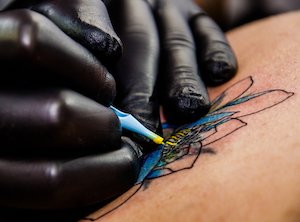 Tattooing Over Stretch Marks, Moles, Scars And Other Skin Conditions
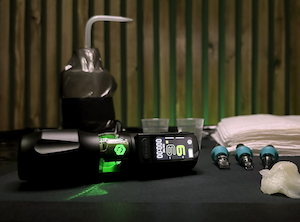 The Best Tattoo Machines 2024: Top Picks for Tattoo Artists